Greer has plenty of ways to spend summer around the water, from neighborhood pools to nearby lakes and splash pads with the kids. Lake Robinson is an easy local example, and a day near the water can quickly become part of a weekend routine.

If you wear hearing aids, all that water raises a real question before you even pack a towel. Can you actually keep your hearing aids in while you’re near the water? If not, what should you do instead?

The short answer depends on your specific device. Some hearing aids are built to handle sweat and splashes. That is still different from being safe for swimming or full submersion.

Water and moisture can also work their way into microphone ports and battery compartments faster than people expect. Around a pool or lake, that exposure can happen quickly. A few simple habits can help you enjoy the water without putting your devices at risk.

Understanding IP Ratings and Water Resistance

Not every hearing aid handles water the same way. Some are built to tolerate sweat, light rain or an accidental splash, while others need a little more caution. Water-resistant also does not mean waterproof, which is an important distinction around pools and lakes.

Your hearing aid’s IP rating tells you more about what the casing is designed to withstand. The rating uses two numbers, with the first covering protection from dust and dirt. The second number tells you how well the device resists moisture.

A higher water-resistance rating gives you more protection against accidental exposure. It still does not mean you should swim or intentionally submerge your hearing aids. Seals can also wear with age, so an older device may not handle moisture exactly the same way it once did.

What Saltwater, Chlorine and Sand Can Do to Hearing Aids

A beach or pool day brings more than water into the mix. Salt, chlorine and sand all create different problems for hearing aids, even when the devices never end up fully submerged. Each one can leave behind residue or work its way into places that are difficult to clean.

Here is what each one can do:

  • Saltwater: Leaves crystals behind as it dries, which can collect around openings and corrode metal parts.
  • Chlorine: Can wear on protective coatings and other materials after repeated exposure.
  • Sand: Works its way into microphone openings, battery doors and controls, where it can interfere with sound or movement.

Early Signs of Moisture Damage

Moisture trouble is not always dramatic. A hearing aid does not have to fall into Lake Robinson or get soaked at the pool before something starts acting differently. Greer summers bring plenty of humidity and sweat on their own.

One of the first clues might be sound that suddenly seems fuzzy, crackly or inconsistent. You might also notice volume fading in and out, unexpected shutoffs or a battery that drains much faster than usual. Those changes can show up before the device stops working completely.

Moisture can sit inside tiny spaces you cannot see. If something starts sounding different after a hot or humid day, give the device time to dry before assuming it has failed. If the problem keeps coming back, it is worth having the hearing aid checked.

Getting Hearing Aids Ready for a Pool or Lake Day

A little planning before you leave home makes things much easier once everyone is near the water. Start by knowing when you plan to remove your hearing aids and where they will go afterward. That keeps you from making a rushed decision at the water’s edge.

Before heading out:

  • Check your device manual so you know how much moisture your model is rated to handle.
  • Pack a hard case that gives the hearing aids a safe place to go when you take them out.
  • Bring a clean microfiber cloth for wiping away sweat or moisture.
  • Pick a shaded, dry storage spot before you get distracted by swimming or unloading bags.

Accessories That Help Protect Hearing Aids Outdoors

A few hearing aid accessories & features can make outdoor days easier, especially if sweat or movement tends to make your hearing aids shift. Soft sleeves fit over part of the device and help absorb moisture before it reaches the casing.

Retention cords or clips add another layer of security. They attach the hearing aids to your clothing, which helps if one slips loose while you are walking, playing or bending down. That can be especially useful around water, where one dropped device can disappear quickly.

When the devices come out completely, a sturdy case is still the safest place for them. A hard case protects against drops and pressure inside a packed bag, while a drying packet can help with humidity.

Emergency Steps to Take if Your Hearing Aids Get Submerged

Dropping a hearing aid into a pool, sink or lake is the kind of moment that makes your stomach drop. The important thing is to act quickly without making the situation worse.

Water can reach the battery, receiver and other internal parts fast, so the first few minutes are about shutting things down and getting the device dry. Take these steps right away:

  • Remove the hearing aids from the water and turn them off.
  • Take out disposable batteries and leave the battery doors open.
  • Blot the outside gently with a soft, dry cloth.
  • Do not shake the devices because that can push water farther inside.
  • Place them in a hearing aid drying container or sealed container with fresh silica packets.
  • Leave them alone for at least 24 hours before trying to power them back on.

Daily Cleaning and Drying After Water Exposure

Even if your hearing aids never take a direct splash, summer days around pools and lakes still mean sweat, humidity and damp hands. Wipe the outer casing with a soft microfiber cloth when you get home.

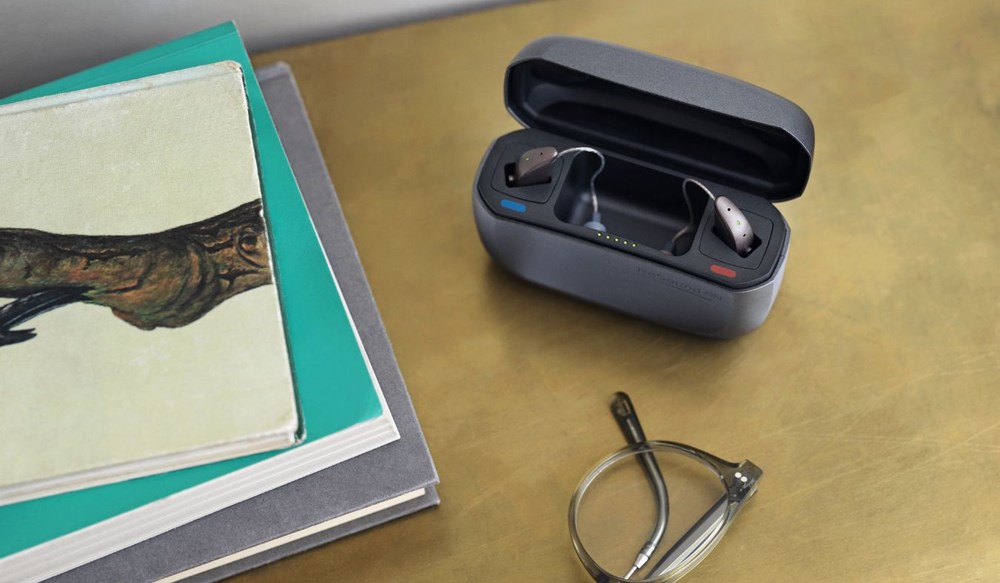
If your model uses disposable batteries, leave the battery doors open overnight. Rechargeable hearing aid models can go into a compatible drying system if your specialist or manufacturer recommends one. A dehumidifier or drying container can be especially helpful after a long, humid day outside.

Do not forget the storage case either. Wipe it out if it feels damp or gritty before putting clean hearing aids back inside. Otherwise, moisture and debris can end up right back on the devices.

Safely Removing Sand From Hearing Aid Openings

Sand is one of those things that seems to get everywhere at the beach. Once it reaches a microphone opening, wax guard or tubing, the instinct is often to dig it out. That usually makes things worse.

Hold the hearing aid so the affected opening faces downward. Use a soft, dry hearing aid brush to gently loosen the grit and let gravity do most of the work. Avoid pins, toothpicks or other sharp objects that can push sand deeper or damage the opening.

Do not blow into the hearing aid with your mouth either because your breath adds moisture. If sand is stuck in a removable dome or wax guard, replacing that small part is often easier than trying to clean every grain out.

Signs Your Hearing Aids Need Professional Repair

A little dampness often improves after proper drying, but some problems keep hanging around. If the hearing aids still sound weak, distorted or crackly after a full drying cycle, something inside may have been affected.

Battery problems can be another clue. If batteries start dying faster than usual or a rechargeable hearing aid will not hold a charge, moisture could be the reason. Rust or discoloration near the battery contacts is worth noticing too

.Avoid opening the hearing aid body or trying to repair internal parts yourself. A hearing specialist can inspect the device, clean areas you cannot reach and test whether any components were damaged.

Enjoying the Beach or Pool While Protecting Your Hearing Aids

If you’re not sure whether your hearing aids can handle a summer day at the pool or lake, that’s easy to check before it becomes a bigger problem.

Thrive Hearing & Audiology can walk you through what your specific devices can handle and what precautions actually make sense. A few small habits can go a long way toward protecting your hearing aids without keeping you out of the water.

Give us a call at (864) 794-4752 and let’s make sure you’re covered before your next trip to the lake.