Are Premium Hearing Aids Worth the Extra Cost?
At some point, most hearing aid wearers start wondering if what they have


By: admin | December 21, 2025
Smart home devices are becoming a practical way for people with hearing loss to manage daily routines and stay aware of important sounds in the home.
Instead of wondering whether you will notice the doorbell or hear an alarm from another room, these tools can send visual alerts to your phone, flash your lights or provide other clear signals. They help fill in the gaps when sound alone is not enough, offering steady support without adding extra steps to your day.
Many of these devices work smoothly with technology you may already use, which makes them easier to integrate than you might expect. A smart doorbell can show you who is outside, and a voice assistant can adjust your lights or remind you about tasks.
Setting up a few helpful tools can make your home easier to navigate and keep you informed during everyday situations. This approach is not about changing everything at once but choosing options that fit your needs and support a more comfortable home environment.
Smart home technology is gradually becoming part of everyday life, and it is changing how people with hearing loss manage common tasks at home. Devices like smart doorbells, connected alarms and visual alert systems can signal important sounds in ways that are easier to notice, like through phone notifications or flashing lights.
These tools help reduce the uncertainty that can come with relying on sound alone, making daily routines feel more predictable and less stressful. As more smart devices connect with hearing aids and other assistive tools, managing your home becomes more streamlined.
You can adjust lighting, check who is at the door or receive reminders without needing to move from room to room or worry about missing something important. This technology does not replace hearing care, but it creates another layer of support that fits naturally into the flow of your day. For many people, it offers a simple way to maintain awareness and stay organized with less effort.
Smart doorbells and visual alert systems are valuable tools for people with hearing loss who want to know when someone is at the door.
These devices use lights, screen notifications or vibrations to let you know a guest has arrived, even if you do not hear the traditional doorbell sound. This makes greeting visitors easier and helps you feel more confident about answering the door.
Advantages of using smart doorbells and visual alerts include:
Voice assistants are making it easier for people to manage their day without needing to rely on small buttons or screens.
A simple voice command can adjust the lights, check the weather or play a favorite playlist, which reduces the strain that background noise or unclear sounds can add to daily tasks. This hands-free control can be especially helpful for anyone who wants a smoother, more relaxed routine at home.
These tools also support hearing care by connecting with compatible hearing devices.
For example, some hearing aids can receive notifications through a voice assistant, making it easier to hear reminders or alerts without having to check a phone. This connection helps people stay organized and aware of what’s happening around them, even in busy or distracting environments.
Voice assistants can also improve communication within the home. You can use them to send a message to another room, make a call or get information quickly without turning up the volume on a device.
This can reduce misunderstandings and help conversations flow more naturally, especially when hearing is more challenging in certain settings.
Automated lighting can make every day routines easier by offering clear visual cues when sound alone isn’t enough. Many smart lights can be programmed to flash or change color when a doorbell rings, a timer goes off or an alarm needs attention.
These small adjustments help ensure that important signals are never missed, even in moments when background noise or distance makes it harder to hear what’s happening.
Smart lighting also supports a calmer, more organized home environment for people managing hearing loss.
Lights can gradually brighten in the morning, guide someone safely through dim hallways at night or turn on automatically when a phone call comes in. These features reduce stress and help create a home that communicates in more than one way, making daily life feel smoother and more predictable.
Linking hearing aids with smart home systems can make everyday tasks feel more effortless.
When these devices work together, you can receive important alerts directly through your hearing aids, like when someone rings the doorbell or when an appliance finishes a cycle. This setup helps you stay aware of what’s happening around your home without needing to rely on loud sounds or constant visual checks.
This level of connection also adds convenience to your routine. You can adjust hearing aid settings from your phone or through a compatible smart assistant, making it easier to switch between quiet and noisy environments.
Some systems even let you control lights, locks and thermostats without lifting a finger. These small changes can make your home feel more responsive and supportive, especially when hearing challenges affect how you move through your day.
Adjusting sound settings on hearing aids and smart devices has become much easier with remote control options.
Many hearing aids now come with small remote controls or smartphone apps that let you change volume, switch programs or mute sounds without touching the device itself. This makes it simple to adjust your hearing in different situations, whether you are watching TV or talking with family.
Remote controls and apps often have clear buttons and easy-to-read screens, so you can make changes quickly and confidently. Some systems even allow you to save your favorite settings for certain places, making everyday adjustments faster.
Having these options means you do not need to take out your hearing aids or struggle with tiny buttons. You can enjoy more control over your listening experience throughout the day.
Personalizing smart device settings can make your home more comfortable and easier to manage with hearing loss. Many devices allow you to adjust how alerts are delivered, like changing the brightness of flashing lights or choosing different vibration strengths.
You can also set up custom notifications for certain events, like getting a special alert when your doorbell rings or when the oven timer goes off. Some smart devices let you pick which rooms receive these alerts, so you only get notified where it matters most.
Taking time to adjust these settings helps create a living space that fits your needs and preferences. This way, you can feel confident knowing your smart home devices are working in a way that supports your hearing needs.
When using smart home devices and hearing aids that connect to the internet, privacy and security are important. These devices often collect information about your routines, preferences and daily activities.
It is wise to check the privacy settings on each device and use strong passwords. Make sure your home Wi-Fi network is secure, and update your devices regularly so they have the latest security protections.
Understanding how connected devices handle your information helps you feel more confident about using them at home. Taking these steps can lower the risk of unwanted access and help keep your personal details safe while enjoying the benefits of smart technology.
Many smart home tools designed to support hearing care can run into small issues, but most are easy to fix once you know what to look for. Connection problems are one of the most common.
Restarting the device, checking Wi-Fi strength or updating the app often clears things up. If a hearing device is not syncing correctly, making sure Bluetooth is turned on and your device has enough battery power can usually solve the problem.
Another challenge is getting alerts or notifications to come through clearly. Adjusting the volume settings, changing the notification style or placing the smart speaker in a quieter part of the room can make a big difference.
Some people also find it helpful to personalize alerts so they stand out from other sounds at home. With a few simple adjustments, smart home technology becomes more reliable and continues to support hearing care in a way that fits easily into daily life.
Selecting the best smart home devices starts with thinking about your daily routines and which tasks you want to make easier. Not every device will be right for everyone, so focus on features that match your lifestyle and hearing needs.
Look for products that offer clear visual or vibrating alerts, easy setup and compatibility with other devices you already use. Checking if a device works well with your hearing aids can also help you get the most benefit.
Reading product details and user guides gives you important information about how each device works in real life. Taking time to compare options, with the help of a hearing specialist will help you create a safer and more comfortable home that supports your independence.
Creating a supportive and accessible smart home environment begins with choosing devices that fit your needs and routines. Placing smart doorbells, alarms and lights in key areas of your home helps you stay aware of important sounds or events.
Make sure devices are easy to reach and control, whether through a smartphone app, remote or voice assistant. Adjust settings so alerts are clear and noticeable for you, this might mean using brighter lights or stronger vibrations.
Testing each device after setup ensures everything works as expected. Building a space that fits your needs can make daily life safer and more comfortable.
Smart home devices continue to change how people manage hearing loss at home by making it easier to stay connected and secure in daily routines.
From visual alerts and vibrating alarms to voice assistants and Bluetooth connections with hearing aids, these tools help you notice important sounds and events without added stress. With so many options available, you can create a living space that supports comfort, safety and independence.
If you would like more information about how smart home technology can work with your hearing needs or want guidance on choosing the right devices for your situation, at Thrive Hearing & Audiology, we are here to help.
Contact our Greer, SC location at (864) 655-8300 for details or to schedule a consultation. Our team is ready to answer your questions and support you in finding solutions that fit your lifestyle.
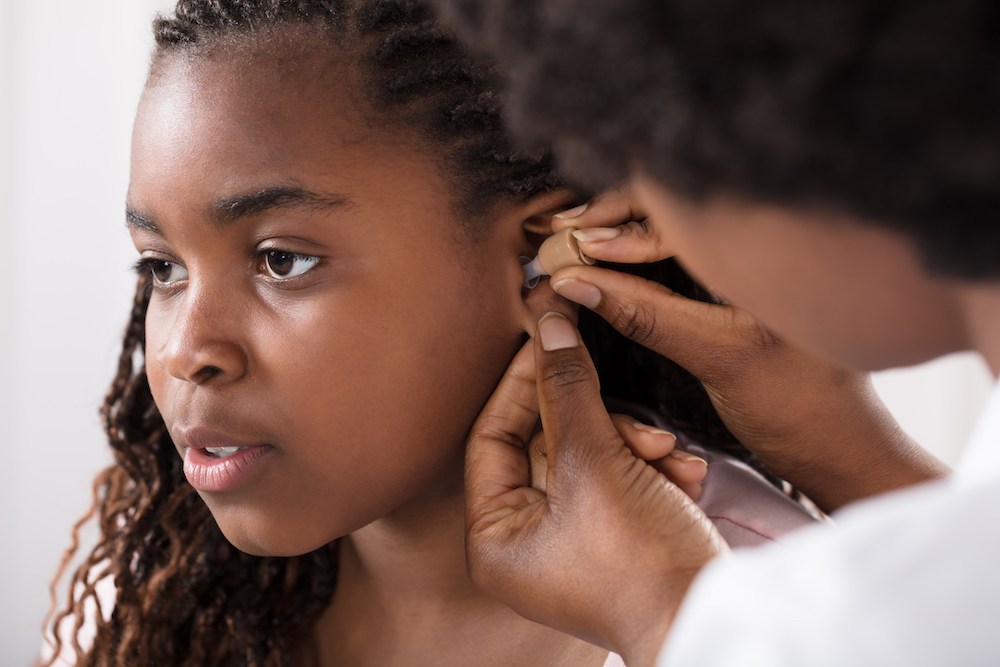
At some point, most hearing aid wearers start wondering if what they have
By: admin | February 20, 2026
Smart home devices are becoming a practical way for people with hearing
By: admin | December 21, 2025
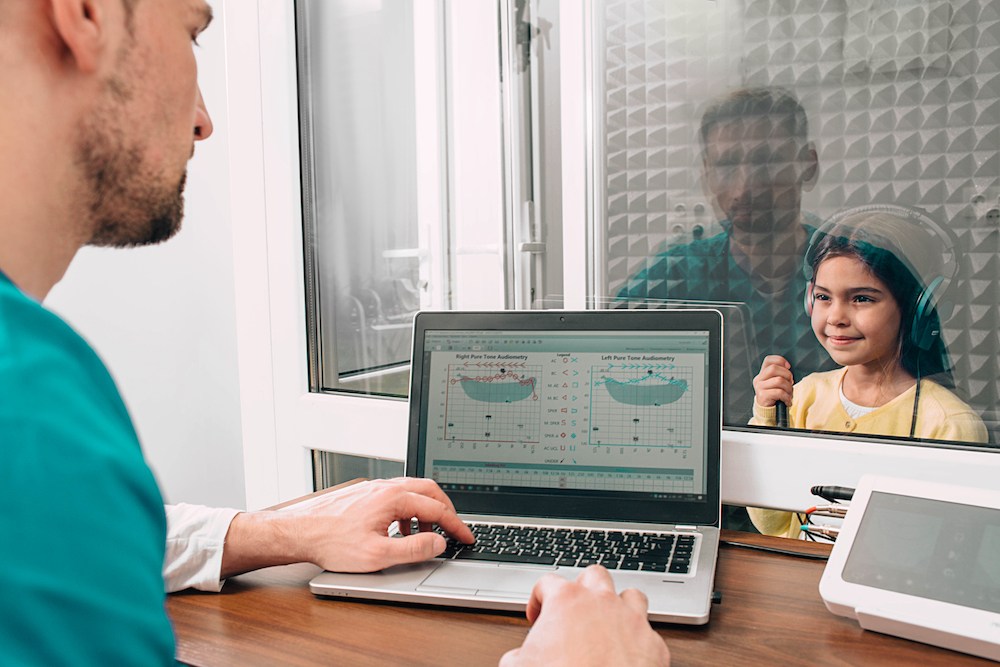
Taking your child for their first comprehensive hearing test can feel
By: admin | August 21, 2025